A dress can appear almost effortless from across a room: one clear line, one calm proportion, one uninterrupted gesture. Yet the reason it sits well rarely belongs to that outer silhouette alone. Much of what makes clothing feel resolved is hidden inside it—in the lines that shape, release, support, finish, and quietly control how fabric meets the body.
01 / Darts
Shape Without Decoration
A dart is one of the least visible ways a garment learns the shape of the body. It removes a measured wedge of fabric so that a flat surface can curve over the bust, waist, shoulder blade, or hip without relying on stretch or obvious ornament. When a dart is well placed, it seems to disappear into the garment. Its effect is felt in the way a blouse settles against the torso, how a dress avoids excess fabric at the waist, or how a tailored piece follows the body without clinging to it. The direction of a dart matters as much as its depth. A line drawn toward the bust from the side seam produces a different visual balance from one rising from the waist. Both may create similar volume, yet each changes how the eye reads the garment. Good shaping does not announce itself. It simply prevents fabric from behaving like a flat sheet around a three-dimensional form.
02 / Seam Placement
A Line Can Rewrite Proportion
Seams are structural necessities, but their placement can quietly redraw the body. A side seam shifted forward can make the front of a garment appear narrower. Princess seams can create vertical continuity while shaping through the torso. A raised waist seam changes the perceived length of the leg, while a lowered one can make a dress feel more relaxed and elongated through the body. Even a seam that appears purely practical carries visual consequence. Because the eye naturally follows lines, construction determines where attention travels. This is why two garments cut from similar fabric can feel entirely different despite sharing the same general silhouette. One may divide the body into clear zones; another may allow the eye to move uninterrupted from shoulder to hem. Seam placement is therefore both engineering and composition. It holds the garment together while deciding, almost invisibly, how its proportions will be understood.
The most accomplished construction does not ask to be admired. It creates the conditions in which the wearer can move, stand, sit, and forget about the garment entirely.
03 / Pleats
Stored Space for Movement
A pleat is fabric held in reserve. At rest, it can sharpen a skirt, control fullness at a shoulder, or give trousers a composed vertical line. In motion, that hidden volume opens. Walking, sitting, reaching, and turning release space that the garment does not need while the body is still. This makes pleats unusually responsive to movement. Their depth, direction, and placement determine whether the result feels architectural or fluid. A narrow knife pleat behaves differently from a deep inverted fold; one creates repeated rhythm, the other conceals volume inside a calm exterior. In both cases, the important quality is not decoration alone. Pleats negotiate between the shape a garment presents while still and the freedom it must provide once the wearer begins to move.
04 / Lining
The Interior Surface Matters
Lining is easy to overlook because it disappears the moment a garment is worn, yet it changes almost every aspect of the experience. A smooth lining helps a jacket move over a blouse instead of catching at the sleeves. It protects outer fabric from friction and perspiration, supports delicate construction, conceals seam allowances, and can improve the way a skirt or dress falls over the body. The choice of lining also changes weight and temperature. Something too stiff may interrupt the intended drape; something too fragile may shorten the life of the garment. In tailored clothing, lining can stabilize a carefully built exterior without making it rigid. In softer pieces, partial lining can provide opacity while preserving movement. What touches the body on the inside is not secondary. It is part of how the garment behaves hour after hour.
05 / Shoulder, Armhole, Hem
Where Fit Reveals Itself
Some of the clearest evidence of good construction appears at the edges of movement. A shoulder seam that ends in the right place allows a sleeve to fall naturally rather than twisting forward or backward. The armhole determines how closely the garment can sit while still allowing the arm to lift comfortably. Too low, and the whole bodice may rise when the wearer reaches; too tight, and movement becomes restricted. The hem completes another kind of balance. Its depth adds weight, helping fabric fall cleanly, while its method of finishing can either preserve softness or introduce structure. A narrow rolled hem suits a light fabric differently from a deeper blind-finished hem on wool or crepe. These details are small in area but large in consequence. They decide whether clothing seems to cooperate with the body or continually needs adjustment.
01
Shape should be created with the least visible interruption necessary.
02
Construction lines should support proportion rather than compete with it.
03
Movement needs space designed into the garment before it is needed.
04
Interior finishing should receive the same care as the visible surface.
05
A detail succeeds when it improves experience without demanding attention.
06 / Closures
The Character of What Opens and Closes
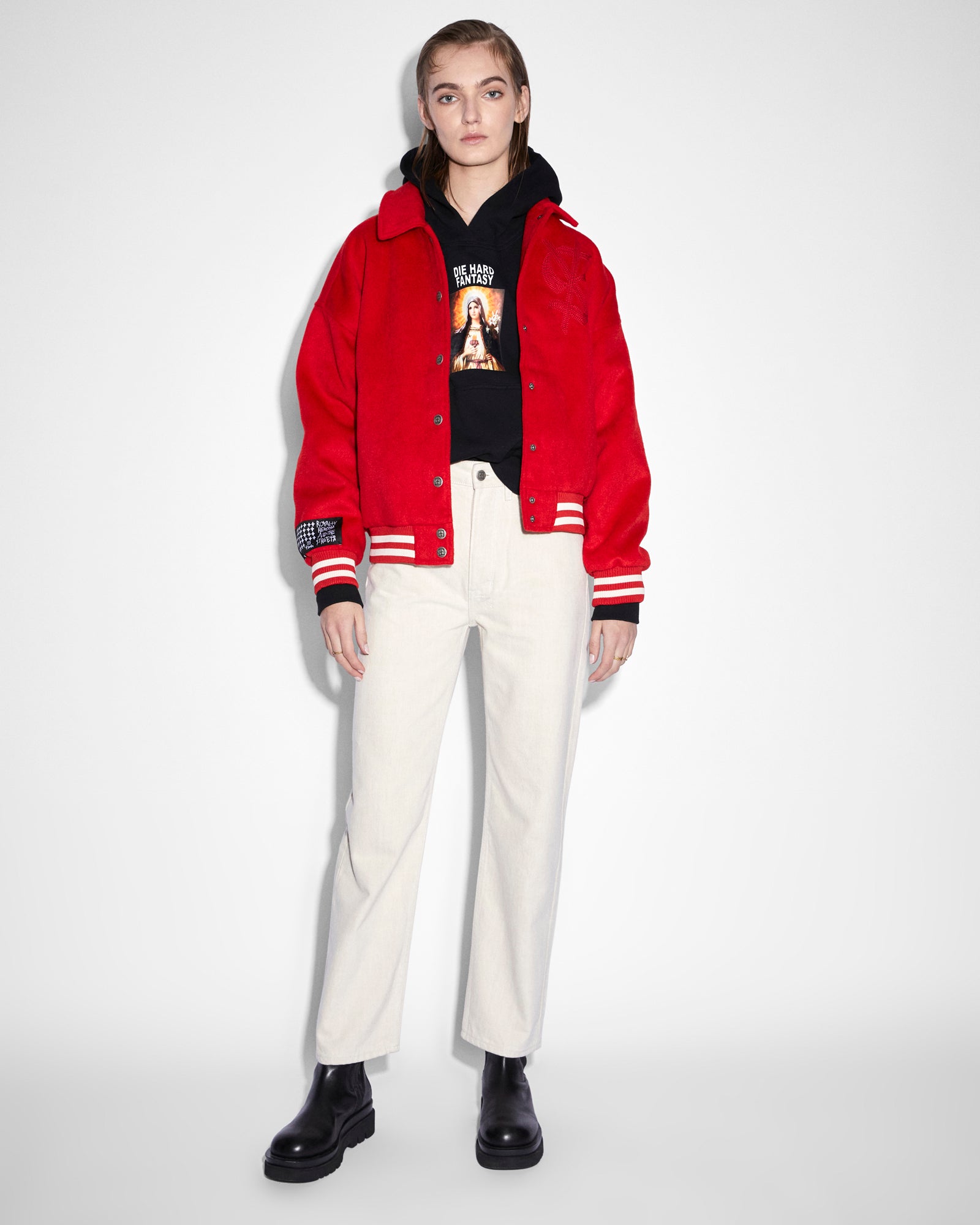
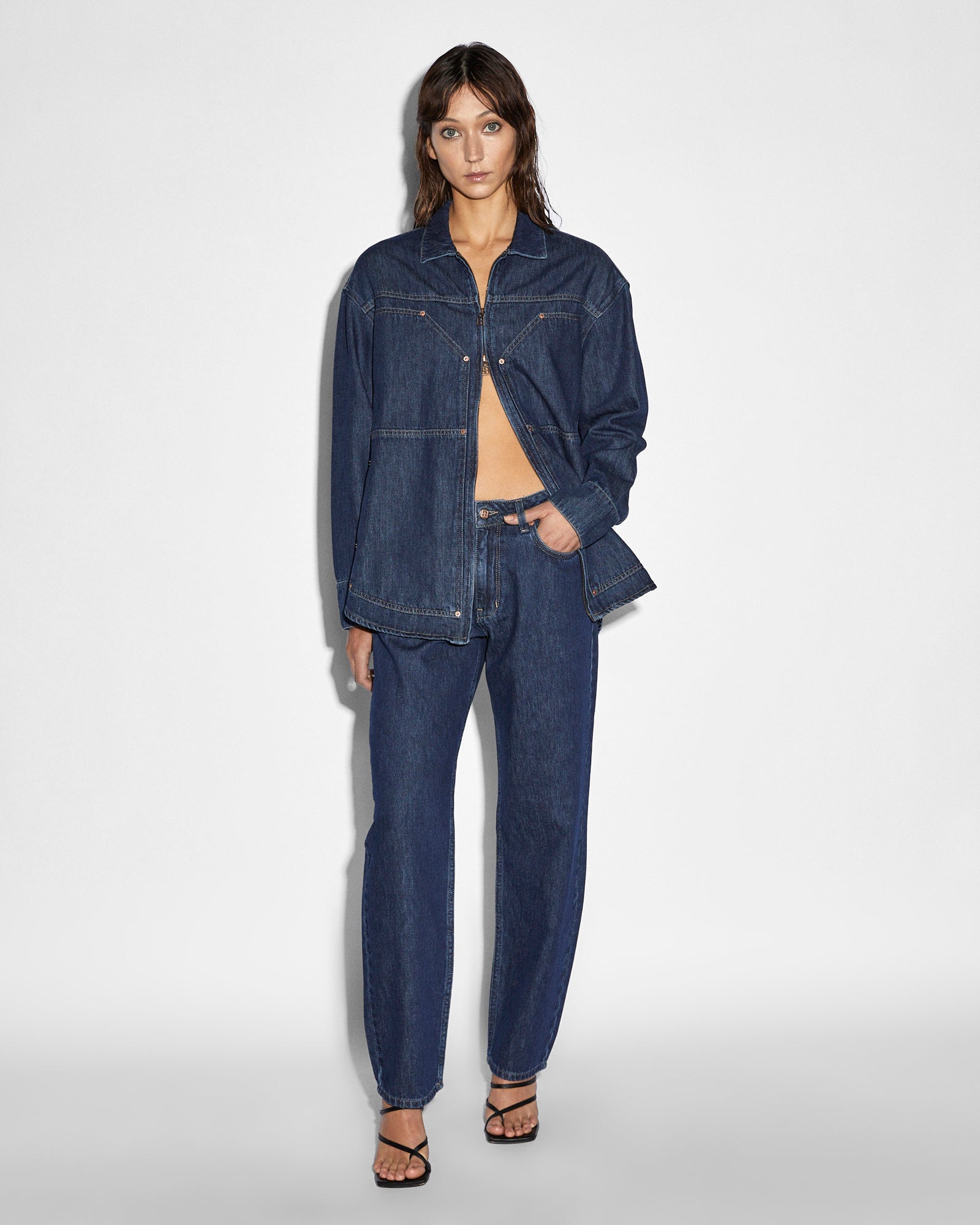
Buttons, zippers, hooks, plackets, and concealed fastenings do more than secure a garment. They influence its mood and its line. A visible row of buttons introduces rhythm and can make a simple dress feel deliberate and graphic. Closely spaced buttons create one kind of precision; wider spacing feels more relaxed. A metal zipper can add firmness and direction, while a concealed zipper allows the silhouette to remain uninterrupted. Hidden snaps and internal hooks can preserve the appearance of a wrap or clean front while quietly managing tension underneath. Even the location of a fastening changes the act of dressing. A side closure feels different from a center back zip; a buttoned cuff asks for a different gesture from an elastic finish. These decisions affect not only appearance but also how a garment is entered, adjusted, and lived in. Their success lies in making function feel inevitable rather than added afterward.